Bernstein: Keegan was box office for Man City
Ex-City chairman David Bernstein has paid tribute to Kevin Keegan on the 25th anniversary of his first game in charge, calling him a 'box office' figure who transformed the club.
· Kickhell
Updated Sep 18, 2026
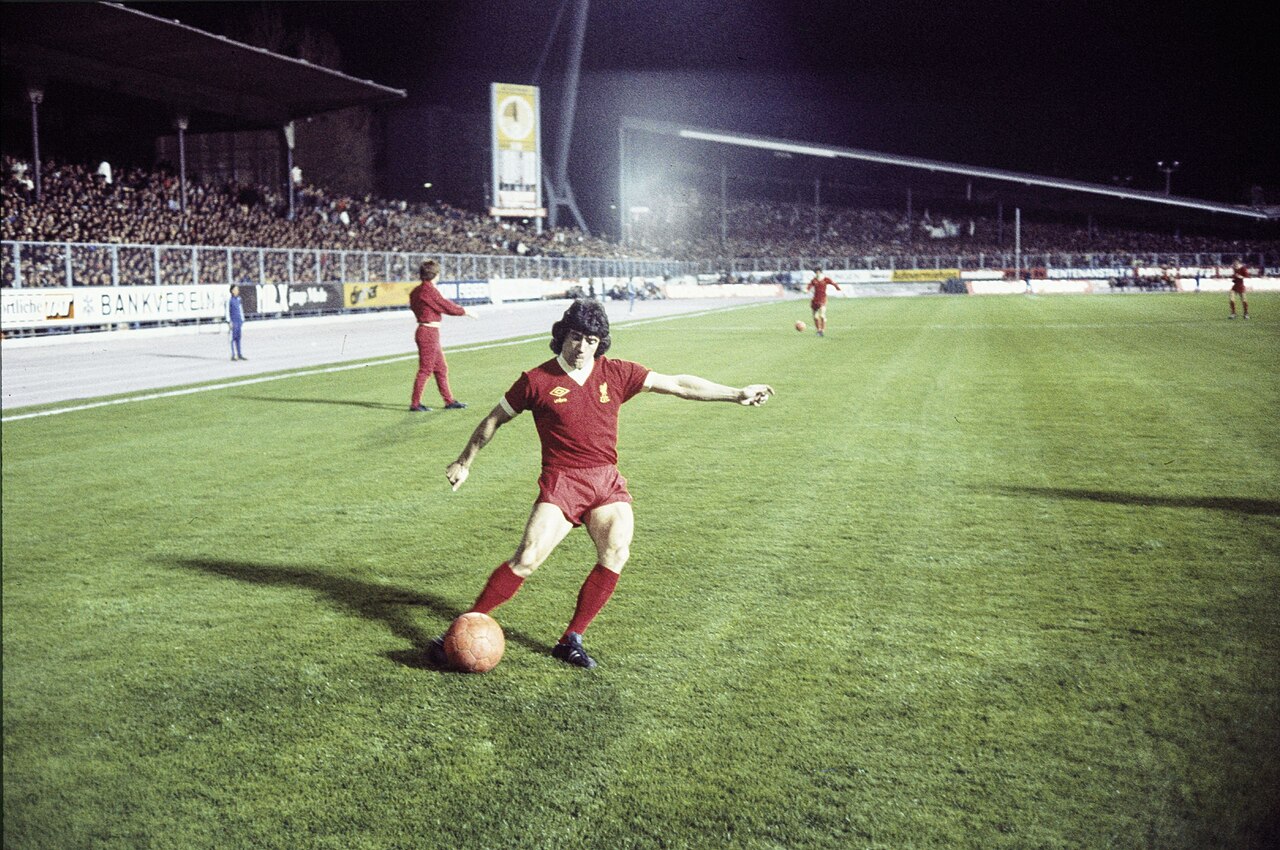
Former Manchester City chairman David Bernstein has paid tribute to the late Kevin Keegan, recalling how the manager's appointment 25 years ago transformed the club and delivered an immediate return to the Premier League.
It was on this day in 2001 that Keegan took charge of his first game for City, a 3-0 victory over Watford managed by Gianluca Vialli. That result launched a promotion campaign in which Keegan's side, nicknamed 'The Entertainers', won the First Division title by 10 points from West Brom, scoring a record 108 goals.
"We couldn't stay in the First Division for any period of time. So you had to have someone making an impact and we felt that Kevin certainly was capable of making a serious impact and getting people really excited," said Bernstein.
The board had received recommendations to pursue David Moyes, Gary Megson, Alex McLeish and Mick McCarthy, but Bernstein said Keegan was always the standout candidate. Three factors made the deal possible: Keegan was available after resigning as England manager following a defeat to Germany at the old Wembley; his track record at Newcastle was appealing; and his larger-than-life persona signalled ambition to supporters.
"He definitely had the box office element. We felt he was a really good fit to put us back on the map," Bernstein added.
Thousands of fans queued to meet Keegan at his unveiling. With less than a month before the opening fixture against Watford, City had already sold 22,851 season tickets, generating £6.7m.
Key signings in that promotion push included Stuart Pearce, Eyal Berkovic and Ali Benarbia. "The signings of Benarbia and Berkovic was a little bit of genius, which really worked. People said you couldn't have two creative players like that in the same team. But how wrong they were," said Bernstein.
The relationship between chairman and manager eventually broke down. Bernstein wanted measured consolidation in the Premier League while Keegan, he felt, pushed for faster progress than was sustainable. Bernstein resigned as chairman in March 2003.
Keegan died last month from cancer at the age of 75. "When I heard the news of his passing, it was very, very sad. He was a unique character. He inspired love everywhere he went among so many people," said Bernstein. "His passing relatively young is extremely sad. I was very, very sorry to see it. But Kevin will never be forgotten."