Chelsea ballboy James Ridley remembered on Remembrance Day
Chelsea remembers James Ridley, a pioneer ballboy at Stamford Bridge who fought in the First World War, was captured in 1917 and later returned to his beloved club as a fan.
· Kickhell
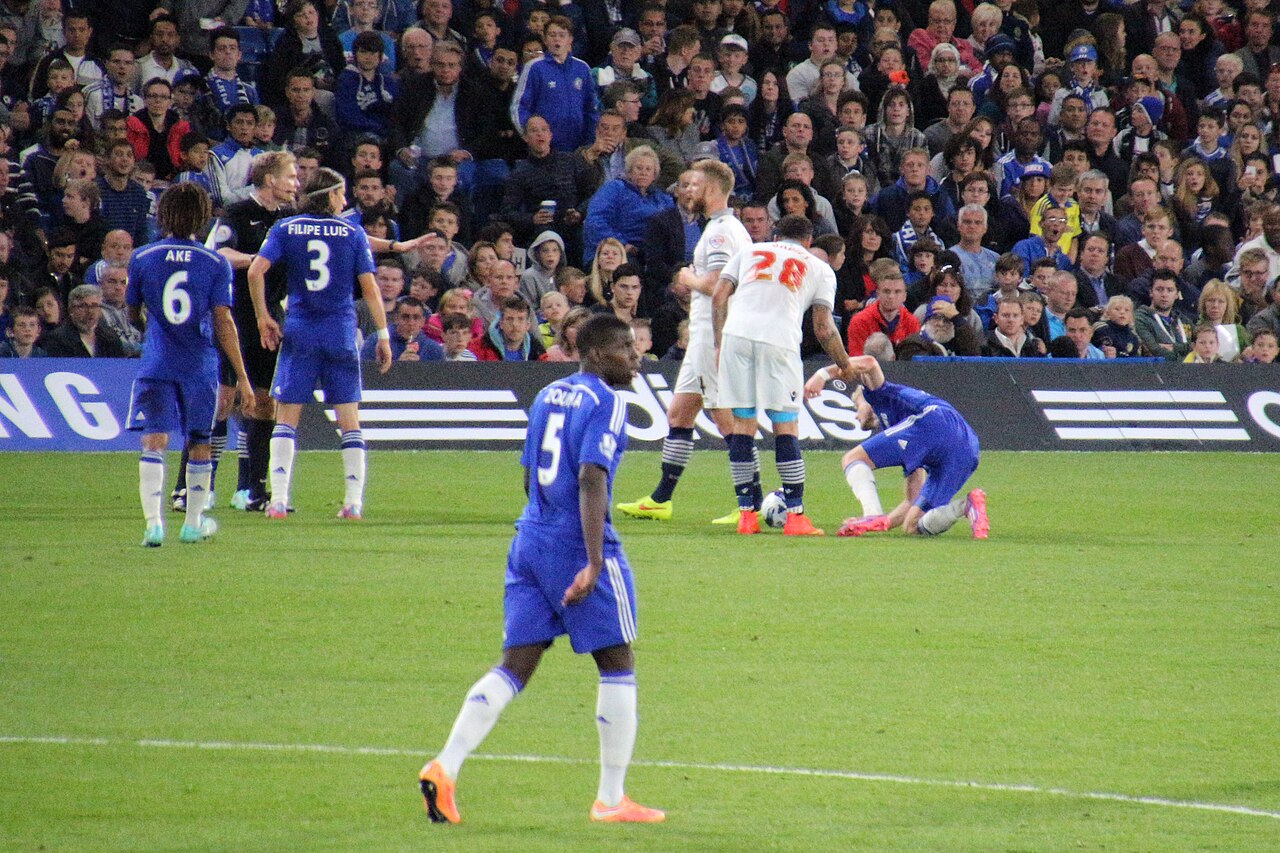
Chelsea has marked Remembrance Day with the story of James Ridley, a former ballboy who served in the First World War and was a well-known figure around Stamford Bridge for 70 years.
Ridley, known to family as granddad Jim, was a regular at the corner newsagent and a pianist for a women's group that met in the church. Few of the people who heard him play knew the full story of his life, which was shaped by wartime trauma and by his connection to Chelsea Football Club.
In 1905, a notice appeared on the gates of the old London Athletic Grounds seeking small boys to fetch balls hit behind the goals. Chelsea were moving to Stamford Bridge, and Ridley, who lived at 7 Stamford Road opposite the ground, was one of the successful applicants. He became one of football's first ballboys and can be seen in one of the earliest first team photographs, taken in September 1905.
He was just in his teens at the time, and goalkeeper Willie Foulke would sometimes playfully lift him off the field under one arm. Whether he was paid is not known, but being close to his heroes made Ridley a lifelong fan of the club.
In January 1915, a few months after the First World War broke out, Ridley, then a 23-year-old labourer, volunteered for the recently formed Footballers' Battalion, the 17th Middlesex. He served alongside fans and many current and former Chelsea players, including England captain Vivian 'Jack' Woodward and goalkeeper William Krug.
In June 1916, at the height of the fighting, his unit, now part of the 6th Brigade of the 2nd Division of the British Army, was on the frontline and suffered casualties. Many of his friends were killed or hospitalised during the First Battle of the Somme that July.
Ridley was captured by German troops near Inchy on 30 November 1917, during the Battle of Cambrai. His family first heard only that he was 'missing in action' before the Red Cross reported him a prisoner of war at Lager Dulmen.
He remained there until the Armistice ended the war in 1918. During his 18-month captivity, guards learned of his piano playing and encouraged him to perform in the camp mess hall, which improved prisoner morale.
Ridley was repatriated to Britain on 14 March 1919 and returned to civilian life on Stamford Road and to matches at Stamford Bridge. Playing piano for local people was part of how he dealt with his war memories.
He died in July 1975, 60 years after enlisting. He remained a devoted Chelsea supporter until his death and saw the club win the league in 1955, 1965, 1970 and 1971.
Related
- Chelsea
- James Ridley
- Willie Foulke
- Vivian Woodward
- William Krug